

Environmental Test & Measurement Instruments

Environmental test instruments help professionals measure, monitor and document environmental conditions that impact health, safety, compliance and operational performance. Whether evaluating indoor air quality, testing water quality, monitoring workplace noise or collecting environmental data, accurate measurements are essential for informed decision-making.
Sper Direct offers a comprehensive selection of environmental monitoring equipment for environmental consultants, industrial facilities, laboratories, government agencies, schools, healthcare organizations, agricultural operations and building professionals. Environmental and industrial test instruments provide the critical data organizations need to monitor conditions, improve safety, maintain compliance and optimize performance. From evaluating indoor air quality and water quality to identifying equipment issues with thermal imaging and electrical testing equipment, accurate measurements help professionals make informed decisions that protect people, facilities and operations.
Environmental monitoring plays an increasingly important role in workplace safety, regulatory compliance and sustainability initiatives. Organizations today are expected to understand and document the conditions that affect employee health, building performance and environmental impact. Environmental test instruments provide the data needed to evaluate air quality, water quality, weather conditions, noise exposure and other critical environmental factors.Indoor air quality monitoring has become a priority for many facilities seeking to improve occupant comfort and health.
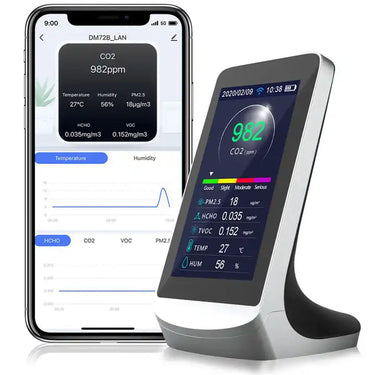
Air quality instruments can measure carbon dioxide, carbon monoxide, particulate matter, volatile organic compounds, temperature and humidity, helping facility managers identify potential concerns before they become larger problems. These instruments are widely used in schools, offices, healthcare facilities, laboratories and industrial environments.
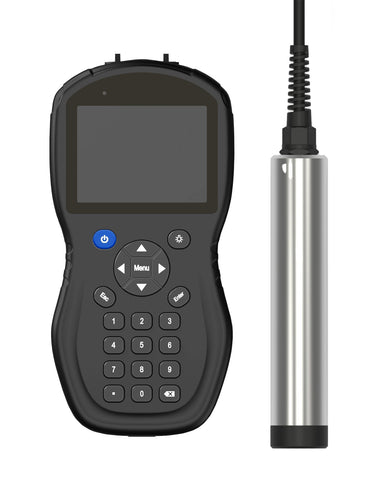
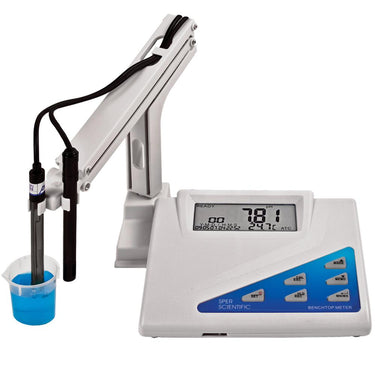
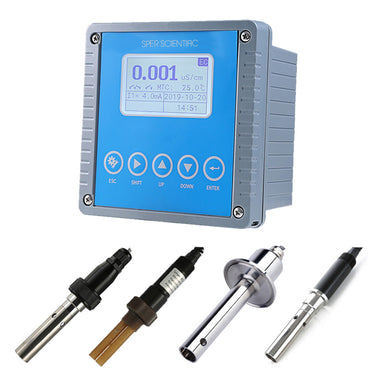
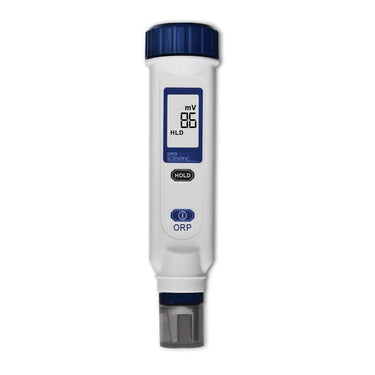
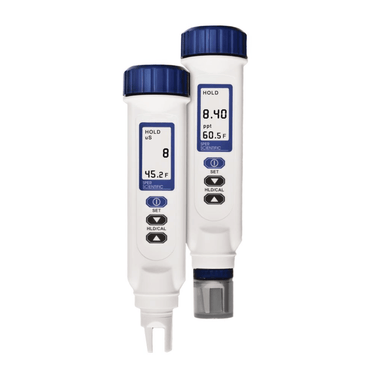
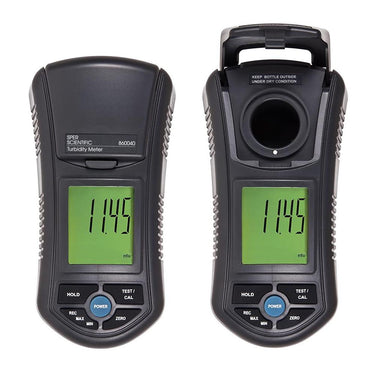
Water quality testing is another essential component of environmental monitoring. Environmental professionals, researchers and industrial operators rely on specialized instruments to measure pH, conductivity, dissolved oxygen, salinity and other key parameters that influence water quality and environmental health. Accurate water testing supports compliance programs, process control initiatives and environmental stewardship efforts.
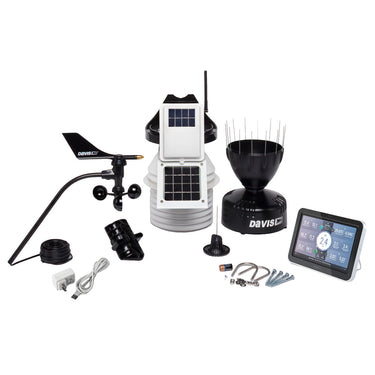
Weather monitoring systems provide valuable environmental data for agricultural operations, research programs, construction projects and facility management applications. By monitoring conditions such as temperature, humidity, rainfall, wind speed and soil moisture, organizations can make more informed operational decisions while reducing risk and improving efficiency.
Noise monitoring equipment helps organizations evaluate workplace and environmental sound levels to support safety programs and regulatory compliance. Sound level meters are commonly used in manufacturing facilities, construction sites, transportation environments and environmental consulting applications where accurate noise measurements are required.
Explore Environmental Test and Measurement Instruments












Environmental Monitoring Instruments
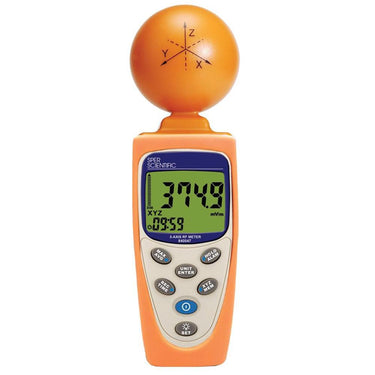
Environmental monitoring plays an increasingly important role in workplace safety, regulatory compliance and sustainability initiatives. Organizations today are expected to understand and document the conditions that affect employee health, building performance and environmental impact. Environmental test instruments provide the data needed to evaluate air quality, water quality, weather conditions, noise exposure and other critical environmental factors.Indoor air quality monitoring has become a priority for many facilities seeking to improve occupant comfort and health.
Air quality instruments can measure carbon dioxide, carbon monoxide, particulate matter, volatile organic compounds, temperature and humidity, helping facility managers identify potential concerns before they become larger problems. These instruments are widely used in schools, offices, healthcare facilities, laboratories and industrial environments.
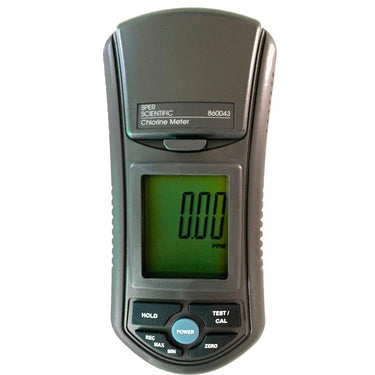
Water quality testing is another essential component of environmental monitoring. Environmental professionals, researchers and industrial operators rely on specialized instruments to measure pH, conductivity, dissolved oxygen, salinity and other key parameters that influence water quality and environmental health. Accurate water testing supports compliance programs, process control initiatives and environmental stewardship efforts.
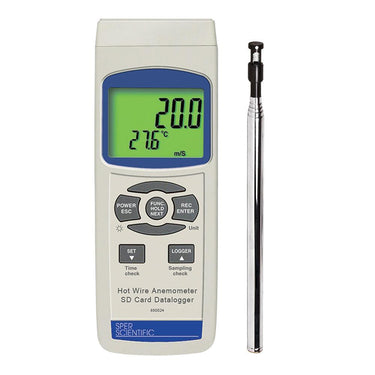
Weather monitoring systems provide valuable environmental data for agricultural operations, research programs, construction projects and facility management applications. By monitoring conditions such as temperature, humidity, rainfall, wind speed and soil moisture, organizations can make more informed operational decisions while reducing risk and improving efficiency.Noise monitoring equipment helps organizations evaluate workplace and environmental sound levels to support safety programs and regulatory compliance. Sound level meters are commonly used in manufacturing facilities, construction sites, transportation environments and environmental consulting applications where accurate noise measurements are required.
Industrial Test & Measurement Instruments
Industrial testing instruments help maintenance professionals, engineers, inspectors and technicians evaluate equipment performance, identify developing issues and improve operational reliability. These instruments play a vital role in predictive maintenance programs by helping organizations detect problems before they result in costly downtime or equipment failure.
Thermal imaging cameras have become one of the most valuable diagnostic tools available to maintenance and inspection professionals. By visualizing temperature differences that are invisible to the naked eye, thermal cameras can quickly identify electrical faults, mechanical issues, HVAC inefficiencies and building envelope problems. This allows organizations to address concerns early while reducing maintenance costs and improving system performance.
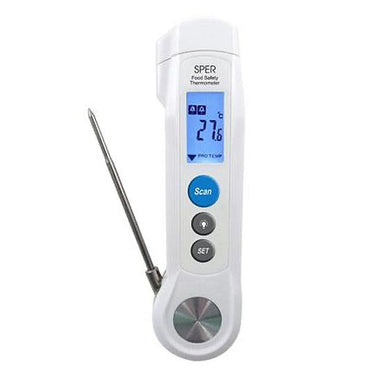
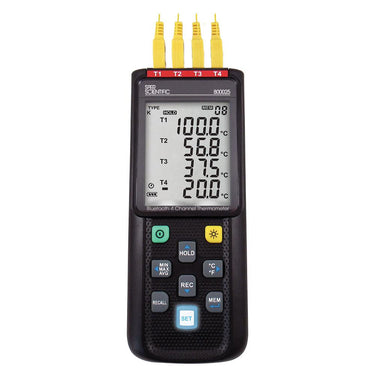
Temperature measurement instruments are widely used throughout industrial and commercial environments. Infrared thermometers, digital thermometers, thermocouples and data loggers provide accurate temperature monitoring for manufacturing processes, laboratory testing, HVAC systems and quality control applications.
Moisture meters help inspectors and maintenance professionals detect hidden moisture within building materials, equipment and structures. These instruments are commonly used during building inspections, restoration projects, facility maintenance activities and construction applications where moisture intrusion can lead to costly damage if left undetected.
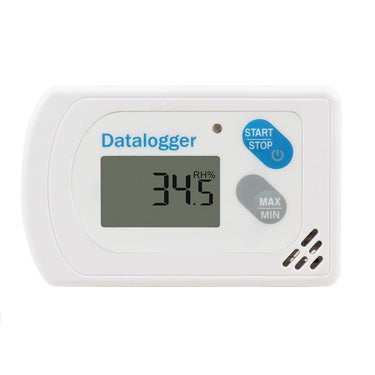
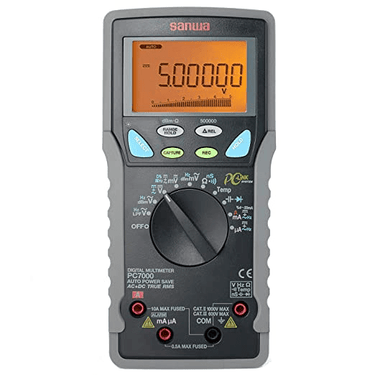
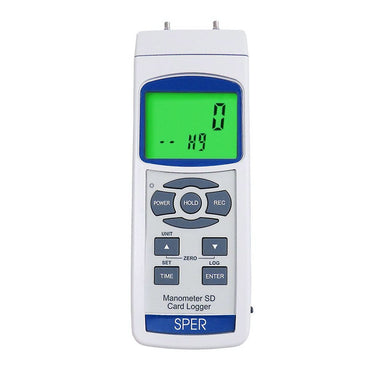
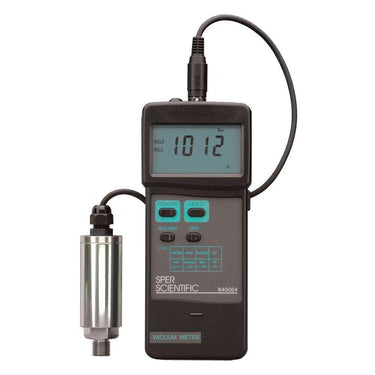
Electrical testing instruments including voltage tester, multimeters and oscilloscopes provide the diagnostic capabilities needed to troubleshoot, verify and maintain electrical systems. Digital multimeters, clamp meters and voltage testers help technicians safely evaluate electrical equipment while supporting preventive maintenance and troubleshooting efforts.Additional industrial measurement instruments, including pressure meters, vibration analyzers and environmental data loggers, provide valuable insights into equipment condition and process performance. These tools support predictive maintenance strategies that improve reliability, reduce downtime and extend equipment life.
Workplace Safety & Industrial Hygiene Monitoring
Creating safe work environments requires continuous monitoring of conditions that may affect employee health and well-being. Industrial hygiene and workplace safety instruments help organizations identify hazards, evaluate exposure levels and implement corrective actions before problems occur.Heat stress monitoring equipment assists employers in protecting workers who operate in hot environments by measuring factors such as temperature, humidity and heat index conditions. Airborne contaminant monitoring instruments help identify dust, particulates, gases and vapors that may impact worker safety, while light meters and noise monitoring instruments support comprehensive workplace assessments.
As regulatory requirements continue to evolve, many organizations are expanding their environmental and occupational monitoring programs to ensure compliance while creating safer and healthier workplaces.
